
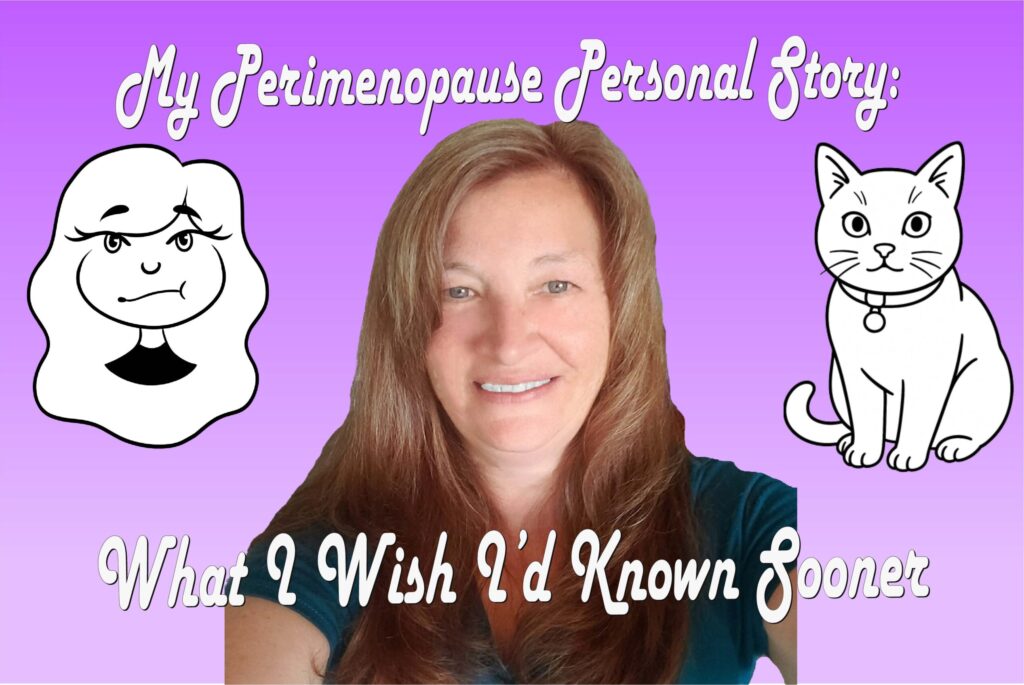
Midlife doesn’t ease in quietly—it barrels through your life like a tornado you never saw coming. What I didn’t realize then was that everything I was experiencing was part of my own Perimenopause Personal Story, long before I even knew the word “perimenopause” existed. The years leading up to where I am now were shaping me in ways I couldn’t recognize at the time—physically, mentally, and emotionally. What began as small shifts spiraled into some of the darkest, most confusing seasons of my life. This is the story of how I unraveled, rebuilt, and eventually found my way to Mean & Menopausal.
The Changes That Creeped In
I first noticed something was shifting about five years ago. Looking back now, the warning signs were probably there longer, but at the time I didn’t recognize them. I just knew I didn’t feel like myself. Mentally, I was slipping into a version of me that should have scared me—but I didn’t see it then. I only see it clearly now.
I was 47 or 48, in a new job I thought would finally lead somewhere. Instead, it quickly became a reminder that midlife women often have to fight twice as hard to be taken half as seriously. Within months of me starting, my boss quit and I suddenly found myself running an entire division—answering to male owners years younger than me who were not thrilled about a woman telling them how their company should operate.
I stood my ground because that’s what women of our generation were taught to do. Fight. Perform. Persevere. But the constant tension took a toll I didn’t fully understand yet.
The Crash I Didn’t See Coming
Every night I went home and collapsed onto the couch, numb and exhausted. I was a wife and a mother, yet I couldn’t find the energy—or desire—to interact with my family. Everything felt heavy. Dark. Endless. There were moments I wondered if the world would be better without me. I never acted on those thoughts, but the fact they existed at all shows how far I had fallen.
Then the pandemic hit, and everything intensified. One day at work, while reviewing numbers with another department, the room started spinning. I tried to refocus, but within seconds I was on the floor, struggling to breathe.
My boss rushed me to the hospital. After a whirlwind of tests, I learned I’d had what the doctor called a “silent” cardiac event. It terrified me. My family history wasn’t exactly gentle in this department, and suddenly everything felt fragile.
Recovery was slow. And emotionally? It felt impossible.
Trying to Function While Falling Apart

My boss threatened to fire me because he didn’t like my “attitude.” I felt like a burden at home. My mental state was spiraling, and I didn’t know how to pull myself back.
A nurse practitioner eventually discovered my B12, magnesium, and vitamin D levels were extremely low. She started me on weekly, then monthly B12 injections and recommended supplement support to stabilize the rest. Slowly, I felt some physical improvement—but mentally, I was still lost.
If you’ve never looked into how deficiencies like Vitamin B12, Vitamin D, or Magnesium can affect your energy and mood, the National Institutes of Health has simple, factual breakdowns:
- https://ods.od.nih.gov/factsheets/VitaminB12-Consumer/
- https://ods.od.nih.gov/factsheets/VitaminD-Consumer/
- https://ods.od.nih.gov/factsheets/Magnesium-Consumer/
No one mentioned the word perimenopause. No one connected my age to my symptoms. I didn’t even know perimenopause was a stage of life. I thought menopause was just what happened when your period stopped—that was the extent of the “education” I had received growing up.
If you’re unfamiliar with what actually happens during perimenopause, the Office on Women’s Health has a clear overview: https://www.womenshealth.gov/menopause
When Pain Became My Normal
My cycles changed drastically. Periods became unpredictable and extremely painful—something I had never experienced before. Some months I barely spotted for two weeks straight. Others, I bled so heavily I carried an entire pharmacy aisle of tampons and pads in my purse because I never knew what my body was going to do next.
For women trying to understand what’s “normal” during this stage, the Cleveland Clinic’s perimenopause guide is one of the most straightforward resources: https://my.clevelandclinic.org/health/diseases/21608-perimenopause
The Loss That Shattered Me

And then came the darkest chapter.
My beautiful, brilliant son—my firstborn—died by suicide at twenty years old. The world went silent. Everything collapsed. The guilt was crushing. I blamed myself for not seeing his pain when I had been drowning in my own.
My daughter lost her best friend. My husband held us up while breaking inside himself. We were all in survival mode, pretending to be strong for each other because that’s what we thought we were supposed to do.
For over a year, I forced myself to be present for my daughter even though inside, I felt like a hollow version of who I used to be.
If you or someone you love has ever been affected by suicide loss, the American Foundation for Suicide Prevention (AFSP) offers education and compassionate support: https://afsp.org/
Realizing I Needed Help in My Perimenopause Personal Story
Eventually, I understood something was truly wrong. I considered checking myself into a mental health facility. I just wanted the pain and heaviness to stop.
Around this time, my physical symptoms worsened. The exhaustion. The emotional swings. The unpredictability of my periods. The depression that didn’t lift. The brain fog that made simple tasks feel impossible.
But no one connected anything. Every symptom was treated individually, as if none of them were related.
The Breaking Point
My breaking point came a little over a year ago. After years of enduring a misogynistic boss who favored the men and dismissed the women, he finally crossed the line—berating me over the phone during a meeting. I held it together until I got home, then told my husband everything.
He told me to quit immediately. And after thinking about it overnight, I did. I cleaned out my office in under thirty minutes. I walked away from five years of giving everything I had.
Scary? Absolutely. Necessary? More than anything.
The Lifestyle Changes That Helped Me Rebuild
Once we removed that toxic environment from my life, I realized I needed to reclaim my body as much as my mind. Over the past few years, I had gained more than 40 pounds. My knees were shot. I could barely walk across a parking lot without pain and breathlessness. My eating habits were a mess.
Midlife metabolism changes are incredibly common, even when women are doing “everything right.” Harvard Health breaks down why weight shifts during this stage of life:
https://www.health.harvard.edu/staying-healthy/why-its-hard-to-lose-weight-in-midlife
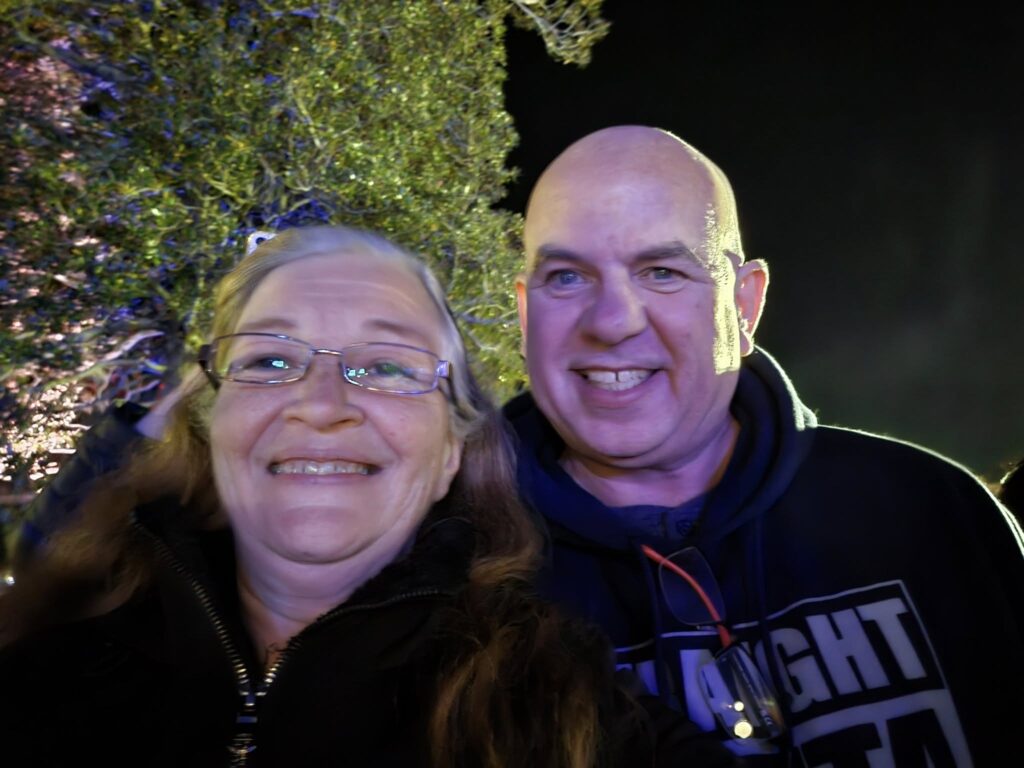
Last Easter, my husband, daughter, and I took a trip—and the photos from that getaway were my wake-up call. I didn’t recognize the woman staring back at me.
I rejoined Weight Watchers, the same program that helped me lose 40 pounds after my daughter was born. Since Easter 2025 through November 2025, I’ve lost 30 pounds. I can move again. I feel attractive again. I walk between 5,000 and 10,000 steps a day and focus on nutrients instead of chaos.
During this time, my daughter went off to college, and my husband and I officially became empty nesters. We started flirting again. Dating again. Relearning each other emotionally and physically. Midlife marriage takes work—lots of it—but rediscovering that spark has been worth it.
As for a support system? Honestly, mine is small. Most of my close female friends have had hysterectomies, so our experiences don’t always line up. In many ways, this website and the community I’m trying to build are my support system.
The Moment My Perimenopause Personal Story Finally Made Sense
With time away from work, I began researching everything I had been dealing with—the depression, the heart incident, the deficiencies, the cycle changes. And suddenly the pattern became painfully obvious:
I was in perimenopause.
Everything I had brushed off, medicated, or pushed through aligned perfectly with what other women experience.
The anger I felt was fierce—years of suffering brushed off as unrelated issues. Years of being told to take another pill. Years of being dismissed because “that’s just life.”
Finding My Own Answers
Growing up in the early 80s, health class taught us about periods and pregnancy—nothing about the entire hormonal journey of a woman’s life. No one prepared us for perimenopause.
So I did what women like us do: I educated myself.
My sister, a naturopath with advanced degrees, helped point me toward better information. Her knowledge helped me piece together what no doctor had connected.
When My Perimenopause Personal Story Became My Purpose
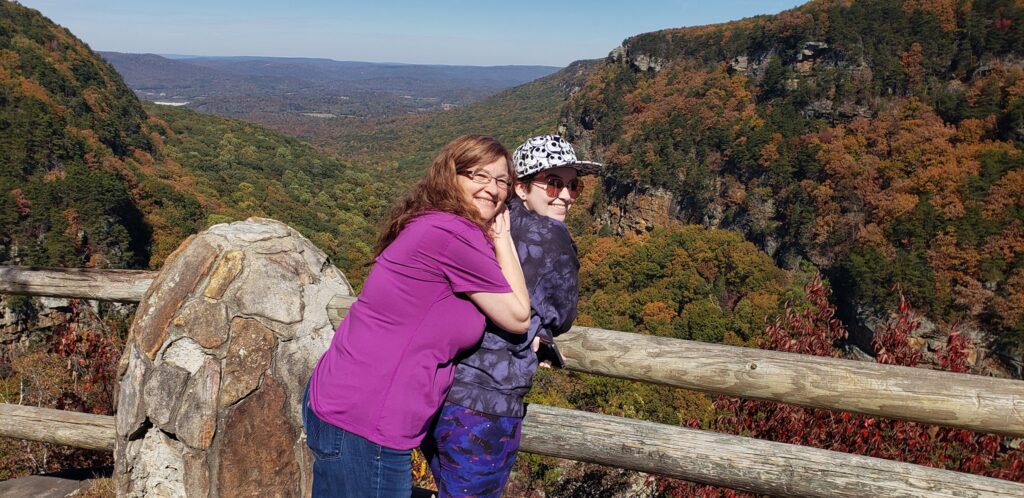
Technically, I started Mean & Menopausal in 2024. But it didn’t become a true passion until my daughter left for college and I was staring down the empty nest.
Everyone told me to “get a hobby,” but rural Georgia isn’t exactly overflowing with options that fit my personality. I’ve worked in construction management since I was a teenager. I’m sarcastic, straightforward, and not remotely interested in what my husband and I affectionately call “Froo Froo hobbies.”
So instead of taking up pottery or birdwatching, I poured my energy into writing blogs and designing merch to help other women make sense of what we were never taught.
That’s when Mean & Menopausal stopped being a project and became a mission.
What I Hope Women Take Away From My Story
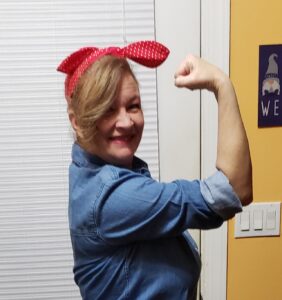
More than anything, I hope women reading this realize they’re not alone—and none of this is their fault. I want women to feel empowered to speak up, question their doctors, seek support, and understand that the storm they’re in is real. I want them to know they deserve answers, they deserve care, and they deserve to feel like themselves again.
Closing Thoughts
If you’re reading this and any part of my perimenopause personal story sounds familiar, please know this: you are not weak, you’re not “too emotional,” and you’re definitely not alone. Perimenopause can shake your foundation, but it doesn’t get to define you. Sharing my journey is my way of making sure other women don’t feel as lost, scared, or dismissed as I once did. This is why Mean & Menopausal exists—to turn confusion into clarity, isolation into community, and midlife into a season where we finally get to take our power back.